
Abdominal appearance can change over time due to pregnancy, significant weight loss, ageing, and changes in skin elasticity. For some people, diet and exercise may not fully address loose skin or separated abdominal muscles. In these situations, cosmetic surgery may be an option worth considering. Understanding the procedure, its potential benefits, and the recovery process can help individuals make informed decisions about their health and appearance.
Abdominoplasty, commonly known as a tummy tuck, is a surgical procedure that removes excess skin and fat from the abdominal area while improving the appearance of the midsection. Before considering surgery, it is important to understand what the procedure involves, who may benefit, and what to expect during recovery.
Understanding the Abdominoplasty Procedure
A tummy tuck focuses on improving abdominal contours by removing excess skin and, when appropriate, tightening weakened or separated abdominal muscles. The surgical approach depends on each patient’s anatomy, goals, and the amount of excess tissue present.
During a traditional procedure, a surgeon typically makes an incision across the lower abdomen. Excess skin is removed, and the remaining skin is repositioned to create a smoother appearance. The belly button may also need to be repositioned, depending on the technique used.
Some procedures include muscle repair, particularly when the abdominal muscles have separated, a condition known as diastasis recti. This can occur following pregnancy or other physical changes. Muscle tightening may improve abdominal firmness, although results vary between patients.
A mini tummy tuck may suit individuals with a smaller amount of excess skin below the belly button, while a full procedure addresses a larger portion of the abdomen.
Who May Be a Suitable Candidate?
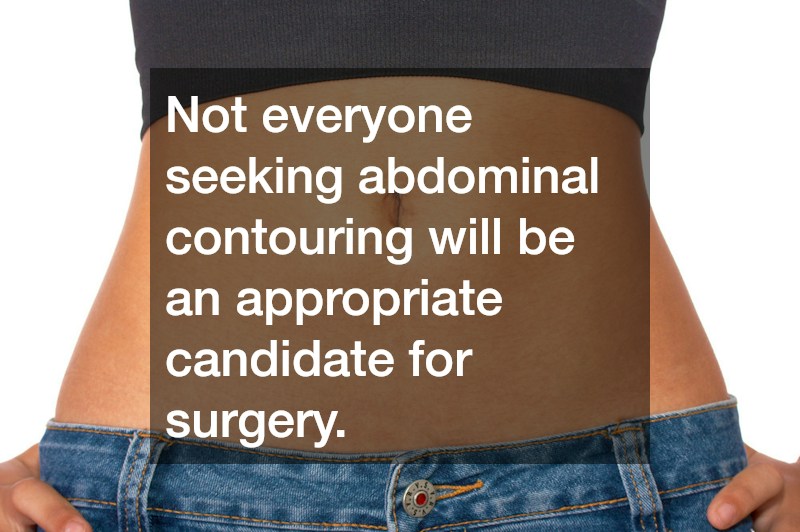
Not everyone seeking abdominal contouring will be an appropriate candidate for surgery. Individuals considering abdominoplasty should discuss their medical history, expectations, and overall health with a qualified plastic surgeon.
People who may benefit include those with loose skin following pregnancy, individuals who have experienced significant weight loss, and people whose abdominal muscles have weakened or separated. Excess skin can sometimes cause irritation or make certain clothing uncomfortable, providing additional reasons to explore treatment options.
However, this procedure is not intended to replace weight-loss methods. People who are close to their desired weight and can maintain a stable weight are generally better candidates than those planning significant weight changes.
Future pregnancies can stretch the abdominal skin and muscles again, potentially affecting surgical results. Individuals planning to become pregnant may therefore prefer to postpone surgery until their family is complete.
Good general health is also important. Smoking and certain medical conditions can increase surgical risks, making a thorough medical assessment essential.
Potential Benefits of Abdominal Contouring
One of the main reasons people consider a tummy tuck is to address excess skin that remains despite maintaining healthy habits. When skin loses significant elasticity, exercise alone may not restore its previous firmness.
Removing excess tissue can create a flatter, smoother abdominal profile. If muscle tightening is performed, surgery may also improve abdominal firmness and contour. These changes can affect how clothing fits and may help some individuals feel more comfortable with their appearance.
Another potential benefit involves managing skin folds. Excess skin can sometimes contribute to moisture accumulation, irritation, and hygiene difficulties. Removing this tissue may help alleviate these concerns in suitable cases.
However, outcomes vary depending on skin quality, body shape, healing, and surgical technique. Scarring is an expected part of the procedure, and changes in weight or pregnancy can affect long-term results. Patients should discuss realistic expectations with their surgeon before proceeding.
Preparing for Surgery
Preparation begins with a consultation, during which the surgeon examines the abdomen, reviews medical history, and explains the recommended approach. Patients should ask questions about the procedure, expected results, recovery timeline, and possible complications.
It is important to disclose all medications, supplements, allergies, previous surgeries, and existing medical conditions. The surgeon may recommend adjustments to certain medications when appropriate. Stopping smoking before surgery is particularly important because smoking can impair circulation and increase the risk of wound-healing complications.
Maintaining a stable weight, eating a balanced diet, and following medical instructions can also support preparation. Patients should avoid crash dieting or attempting rapid weight changes before surgery.
Planning for recovery is equally important. Arranging transportation, preparing meals, and asking for help with daily activities can make the initial recovery period more manageable.
Recovery and Possible Risks
Recovery varies depending on the extent of surgery and individual healing. Swelling, bruising, soreness, and temporary changes in sensation are common during the early stages. Surgeons may recommend compression garments, wound-care instructions, and gentle walking to support recovery.
Patients should follow their surgeon’s guidance regarding bathing, driving, exercise, lifting, and returning to work. Strenuous activity and heavy lifting generally need to be avoided until the surgical team confirms they are safe. Recovery can take several weeks or longer, and swelling may continue to improve over several months.
Like any major operation, abdominoplasty carries risks. These include infection, bleeding, fluid accumulation, blood clots, poor wound healing, noticeable scarring, changes in sensation, and complications related to anaesthesia. Some patients may require additional treatment or revision surgery.
Patients should seek prompt medical attention for concerning symptoms. Chest pain, sudden shortness of breath, or severe leg swelling requires urgent evaluation.
Making an Informed Decision
Choosing abdominal surgery requires careful consideration of personal goals, health, finances, and recovery commitments. Patients should select a qualified plastic surgeon who can explain the procedure, discuss potential complications, and provide realistic expectations.
Surgery does not replace healthy lifestyle habits. Maintaining a stable weight and following appropriate long-term health practices can help preserve results.
Ultimately, deciding whether to undergo a tummy tuck should involve accurate information and an individual medical assessment. Taking time to understand the procedure, prepare for recovery, and weigh the potential benefits against the risks can help patients determine whether this option aligns with their needs and expectations.