

Maintaining good health requires consistent attention to everyday habits, preventive care, and changes in physical well-being. While people often focus on their own health goals, caring for household pets is equally important. Both people and animals benefit from regular checkups, balanced nutrition, physical activity, and attention to changes that may indicate a health concern.
Creating healthy routines throughout the year can make it easier to prioritize everyone’s well-being. From scheduling medical and veterinary appointments to maintaining dental health, managing stress, and staying active, small efforts can contribute to a healthier lifestyle. In this article, we discuss ways to maintain your health and your pets’ health throughout the year, including preventive care, nutrition, exercise, and seasonal wellness considerations.

Prioritize Regular Health Checkups
Routine medical appointments are an important part of maintaining personal health. Even when you feel healthy, scheduling regular checkups gives healthcare professionals an opportunity to evaluate your overall well-being, discuss concerns, and recommend appropriate preventive care. These appointments also provide an opportunity to review existing health routines and discuss any changes you have noticed.
Dental health should also remain part of your regular healthcare routine. Visiting a local dentist allows you to receive professional dental evaluations and discuss concerns involving your teeth and gums. Depending on your needs, you may also consult cosmetic dentists about treatments that address the appearance of your smile.
Personal wellness may also include treatments that address individual skincare goals. For those interested in professional skin treatments, micro needling services may be an option to discuss with a qualified skincare professional.
Pets need routine healthcare appointments, too. Veterinary visits allow professionals to evaluate an animal’s overall condition, discuss vaccinations, and identify potential health concerns. Establishing a relationship with an animal doctor can help pet owners understand their animals’ individual healthcare needs and determine which preventive services are appropriate.
It is also important to know where to turn when unexpected health concerns arise. Keeping contact information for an emergency veterinarian readily available can help pet owners respond when an animal experiences an urgent medical issue outside the scope of routine veterinary care.
Maintain Consistent Dental Care
Dental health is an important part of overall wellness for both people and pets. For people, brushing regularly, flossing, and attending professional dental appointments can help maintain healthy teeth and gums. Addressing dental concerns instead of postponing treatment can also help prevent existing problems from becoming more difficult to manage.
Some individuals may require additional dental services depending on their oral health needs. For example, a dental implant may be an option for someone who needs to replace a missing tooth. Others may benefit from professional local denture services when they need solutions for missing teeth or changes in their dental structure.
Pets also require consistent attention to their oral hygiene. Pet dental care involves monitoring the condition of an animal’s teeth and gums, maintaining appropriate home care routines, and scheduling professional dental evaluations when recommended. Pet owners should pay attention to changes in eating habits, unusual mouth odors, or visible discomfort around the mouth.
Maintaining dental routines throughout the year can help people and animals avoid overlooking an important aspect of their health. Rather than treating oral hygiene as an occasional responsibility, make it a regular part of your household’s wellness routine.

Focus on Balanced Nutrition
Nutrition influences how people feel and function throughout the day. Eating a balanced variety of foods can help support energy levels, physical health, and general well-being. Building meals around vegetables, fruits, whole grains, and appropriate protein sources can also make it easier to maintain consistent eating habits.
It is helpful to plan meals ahead of time instead of relying entirely on convenience foods. Preparing meals at home, keeping nutritious snacks available, and maintaining regular eating schedules can support healthier choices. Individuals with specific dietary concerns may also benefit from discussing their needs with qualified healthcare professionals.
Digestive wellness deserves attention as part of a balanced nutrition routine. People experiencing ongoing digestive discomfort or changes in their normal patterns may benefit from consulting a digestive health specialist. Professional guidance can help individuals better understand their symptoms and determine whether additional evaluation or treatment is appropriate.
Pets also need nutrition that supports their individual health requirements. Their food should be appropriate for their species, age, size, activity level, and other relevant needs. Pet owners should avoid assuming that the same feeding routine works for every animal, as nutritional requirements can vary.
Pay attention to portion sizes and feeding schedules, and discuss dietary questions with a veterinarian. It is also important to provide pets with consistent access to fresh water. Making thoughtful nutritional choices for everyone in the household can support healthier routines throughout the year.
Stay Active Throughout the Year
Physical activity is another important part of maintaining long-term wellness. Regular movement can support cardiovascular health, strength, mobility, and general physical conditioning. Finding activities that fit your schedule and preferences can make it easier to remain consistent.
Exercise does not always need to involve an intensive workout. Walking, stretching, cycling, swimming, and other enjoyable activities can help people incorporate movement into their daily routines. Setting realistic goals and gradually building activity levels can also make exercise more manageable.
Pets benefit from regular physical activity as well. Dogs often need daily walks and opportunities to play, while other animals may benefit from toys, climbing structures, or interactive activities suited to their needs. Providing appropriate opportunities for movement can help pets stay engaged and maintain healthy activity levels.
However, exercise routines should reflect each animal’s individual abilities. Age, physical condition, breed, and existing health concerns can influence which activities are appropriate. Pet owners should consult their veterinarian before making significant changes to an animal’s exercise routine, particularly if the pet has mobility concerns or other health limitations.
Making activity a shared household priority can encourage everyone to move more consistently. Whether it involves taking a walk with your dog or setting aside time for your own exercise routine, regular movement can become a practical part of everyday life.
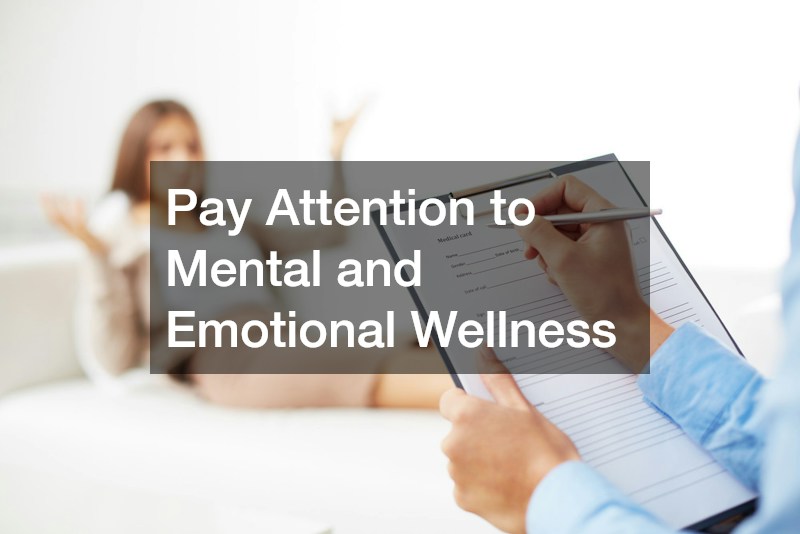
Pay Attention to Mental and Emotional Wellness
Health involves more than physical well-being. Mental and emotional wellness also influence how people manage everyday responsibilities, relationships, and personal challenges. Making time for rest, enjoyable activities, and meaningful connections can help support a more balanced lifestyle.
Stress management is an important part of maintaining emotional wellness. People may benefit from activities such as journaling, meditation, spending time outdoors, or participating in hobbies they enjoy. Establishing boundaries around work and personal responsibilities can also create more opportunities for relaxation.
Individuals experiencing persistent emotional or behavioral difficulties should consider seeking appropriate professional support. For example, people who need specialized care for obsessive-compulsive disorder may explore OCD treatment facilities to learn about available treatment approaches and professional resources. Seeking assistance when needed is an important part of taking care of personal health.
Pets have emotional and behavioral needs, too. Changes in their surroundings, schedules, or interactions can influence their behavior. Providing a consistent environment, opportunities for enrichment, and regular positive interaction can help support their emotional well-being.
Pet owners should pay attention to unusual behavioral changes, including increased withdrawal, excessive vocalization, or changes in normal activity patterns. These behaviors may have different explanations, so discussing persistent concerns with a veterinarian can help determine whether further attention is necessary.
Adjust Your Health Routine for Seasonal Changes
Each season can introduce different considerations for maintaining personal and pet health. Changes in temperature, weather conditions, and daily schedules may influence how people and animals spend their time. Adjusting routines throughout the year can help everyone remain comfortable and active.
During warmer months, people should pay attention to hydration and sun protection. Spending time outdoors can be enjoyable, but it is important to consider heat exposure and avoid prolonged activity during particularly hot periods. Using appropriate sun protection and drinking enough water can help support outdoor wellness.
Pets also require additional attention during warm weather. Owners should provide access to fresh water and shaded areas while avoiding strenuous outdoor activities during excessive heat. Walking dogs during cooler parts of the day may also help make outdoor exercise more comfortable.
Cold weather introduces different considerations. People may need to adjust outdoor exercise routines, wear appropriate clothing, and maintain regular physical activity indoors when conditions make outdoor movement less practical. Pets may also need changes to their outdoor routines depending on their size, coat, age, and individual needs.
Throughout the year, pet owners should also remain aware of environmental changes that may affect their animals. Seasonal allergens, outdoor hazards, and changes in household routines can influence an animal’s comfort. Discussing seasonal concerns with a veterinarian can help owners determine which precautions are appropriate for their pets.

Recognize Changes in Health Early
Paying attention to changes in physical health can help people recognize when professional attention may be necessary. Unusual fatigue, persistent discomfort, changes in appetite, and other ongoing symptoms should not automatically be dismissed. Keeping track of these changes can make it easier to explain concerns during medical appointments.
The same principle applies to pets. Animals cannot explain how they feel, so owners must observe their behavior and physical condition. Changes in appetite, water consumption, bathroom habits, movement, or social behavior may indicate that something is different.
It can be helpful to maintain basic health records for everyone in the household. For people, this may include medical appointment information, medications, and relevant health recommendations. For pets, records can include veterinary visits, vaccination information, medications, and changes in eating or activity habits.
Recognizing unusual symptoms does not necessarily mean there is a serious health problem. However, paying attention to changes and seeking professional guidance when appropriate can help prevent concerns from being overlooked. Sudden or severe symptoms should receive prompt medical or veterinary attention.
Create Sustainable Wellness Habits
Maintaining health throughout the year becomes easier when wellness activities are incorporated into everyday routines. Instead of attempting to make several major changes at once, focus on manageable habits that can be maintained over time. Consistency often makes it easier to stay committed to personal and household health goals.
Start by establishing a schedule for important responsibilities. This may include arranging medical and veterinary appointments, planning meals, setting aside time for exercise, and maintaining regular dental hygiene routines. Having these activities on a calendar can make them easier to remember.
Pet owners can also create routines around feeding, grooming, playtime, and outdoor activities. Consistent schedules can help animals become familiar with their daily responsibilities while making it easier for owners to recognize changes in their behavior. Keeping pet supplies and health records organized can further simplify ongoing care.
It is equally important to review these routines periodically. Health needs can change as people and animals grow older or experience changes in their physical condition. Adjusting wellness habits when necessary helps ensure that everyone receives appropriate attention throughout different stages of life.
Another helpful approach is to make wellness activities easier to maintain by preparing ahead of time. For example, keeping a calendar of upcoming appointments, organizing medications, and setting reminders for routine responsibilities can reduce the chances of forgetting important tasks. Pet owners can also keep feeding supplies, grooming tools, and veterinary contact information in accessible locations.
Finally, remember that healthy routines should remain flexible. Unexpected schedule changes, travel, and other responsibilities may occasionally interfere with established habits. Rather than abandoning a routine when something changes, look for practical ways to return to it and continue prioritizing everyone’s well-being.
Maintaining your health and your pets’ health throughout the year requires consistent attention to preventive care, nutrition, physical activity, dental hygiene, and emotional wellness. Regular medical and veterinary appointments, awareness of seasonal changes, and attention to unusual symptoms can help people make informed decisions about their household’s well-being. Developing sustainable routines also makes it easier to prioritize everyone’s needs without making health maintenance feel overwhelming.
Taking care of yourself and your pets is an ongoing responsibility that benefits from planning and consistency. By making wellness a regular part of your daily routine and seeking professional guidance when necessary, you can support a healthier environment for everyone in your household. Start prioritizing your health and your pets’ well-being today by scheduling appropriate checkups and making small, meaningful improvements to your everyday routines!