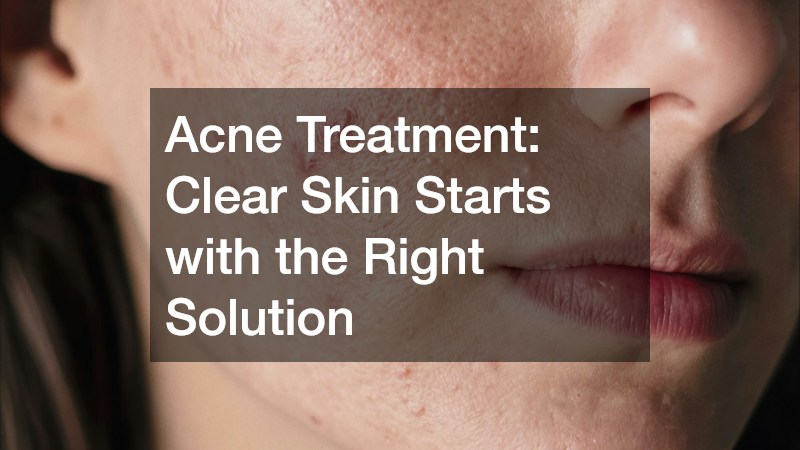
Understanding the Causes of Acne: A Comprehensive Exploration
Acne is a common skin condition that arises when hair follicles become blocked with a buildup of oil, known scientifically as sebum, and a collection of dead skin cells. This obstruction creates an ideal environment for bacteria to flourish, leading to inflammation and the characteristic lesions of acne, which may range from small, non-inflammatory comedones to more severe cystic formations.
Video Source
Several critical factors primarily drive the formation of acne. Hormonal changes, particularly those occurring during puberty and pregnancy, are significant contributors. During these stages of life, the body’s hormonal balance undergoes significant shifts, particularly increasing levels of androgens, which stimulate sebaceous glands to produce more oil. This excess production of oil can lead to more frequent and severe acne breakouts. Additionally, genetic predisposition plays a considerable role, meaning that the tendency to develop acne can be inherited from one’s parents, making it a prevalent issue within families.
Understanding what specifically triggers your acne is essential for choosing the most effective treatment plan. For some individuals, stress is a notable trigger. Stress can cause the body to produce more cortisol, a hormone that can increase oil production, exacerbating acne symptoms. Similarly, the use of certain medications, such as steroids and lithium, is known to influence oil production and exacerbate acne, demanding careful management if one’s acne is medication-induced.
Can Diet Impact Acne?
Research indicates that diet can influence acne, with high glycemic index foods and dairy products being major culprits in causing outbreaks. Sugar and refined carbohydrates can spike insulin levels, which may lead to increased oil production and inflammation.
Therefore, adopting a low-glycemic diet rich in whole grains, fruits, and vegetables may help to mitigate acne symptoms. Foods high in antioxidants can also combat inflammation, providing a natural defense against acne.
An important aspect of acne treatment is not only understanding dietary triggers but also adapting eating habits to support skin health. Reducing dairy intake and opting for healthier fats like omega-3s can further assist in acne management.
What Are the Most Effective Acne Treatments?
Topical treatments, such as benzoyl peroxide and salicylic acid, remain foundational in acne treatment regimens. These products work by removing excess oil and dead skin cells that clog pores.
For individuals with severe acne, oral medications like antibiotics or hormonal treatments like birth control pills can provide relief by addressing systemic issues. Antibiotics help reduce bacteria and fight inflammation, crucial components of acne control.
Alongside traditional methods, innovations in acne treatment, such as retinoids, offer powerful alternatives. Retinoids reduce acne lesions by promoting cell turnover and preventing pore blockages.
How Important Is Skin Care Routine?
A consistent skin care routine is crucial for managing acne effectively. Daily cleansing helps remove debris and oil, preventing pore blockages that lead to acne formation.
Moisturizing is equally important, as it provides hydration that maintains the skin barrier and reduces irritation. Choosing a non-comedogenic moisturizer is essential to prevent clogged pores.
By adhering to a structured regimen, individuals can support the healing process and reduce the likelihood of future breakouts. Dermal consistency aids healing and optimizes the effects of acne treatments.
Are There Any New Innovations in Acne Treatment?
Emerging technologies in acne treatment, such as blue light therapy, show promise in targeting acne-causing bacteria. This non-invasive approach penetrates the skin to kill bacteria while reducing inflammation.
Advanced topical treatments, like new-generation retinoids, offer improved efficacy with reduced irritation. These compounds are designed to increase skin cell turnover and diminish acne scars.
Continuous research is expanding the acne treatment landscape, incorporating science-driven solutions to deliver more effective and patient-friendly results. Staying updated with these advancements can optimize personal acne treatment plans.
For further guidance on acne treatment, consider consulting with a dermatologist to create a customized plan.