
What Are the Benefits of Home Care?
Personalized Care
Personalized care is one of the standout benefits of home care. It allows caregivers to tailor their services to meet the unique needs of each individual.
This ensures that the care provided aligns with the patient’s lifestyle and preferences, leading to a more comfortable experience.
Home care offers the opportunity to develop a strong rapport between caregivers and patients. This relationship fosters trust and enables caregivers to understand the patient’s changing needs. The dynamic nature of personalized care ensures adaptability as needs evolve over time.
The close interaction in home care often leads to better healthcare outcomes. Personalized care plans can focus on specific health goals and preferences. Patients tend to experience higher satisfaction levels and improved quality of life through customized care approaches.
Comfort and Familiarity
The appeal of home care lies significantly in the comfort and familiarity it provides. Patients find peace and reassurance in being cared for within the confines of their own homes. This familiar environment can lead to enhanced emotional well-being and a reduction in anxiety and stress.
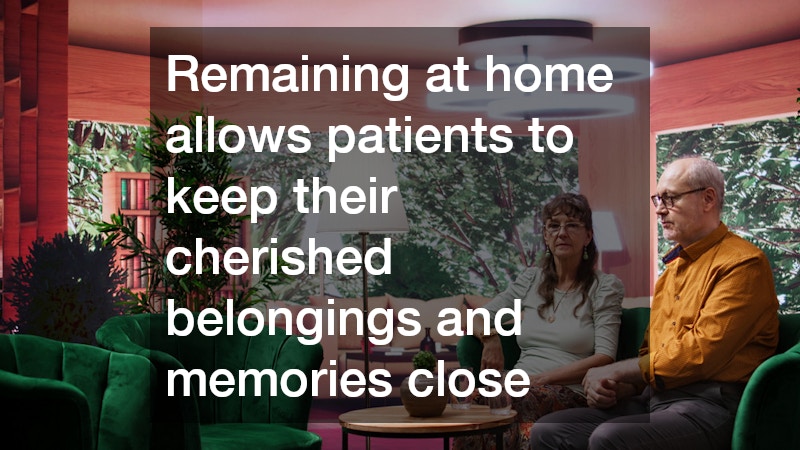
Remaining at home allows patients to keep their cherished belongings and memories close. This continuity of setting can be particularly beneficial for individuals with cognitive impairments. Familiar surroundings often aid in better orientation, reducing confusion and promoting cognitive stability.
The familiarity of home extends beyond physical aspects to social interactions as well. Patients are likely surrounded by family members and neighbors, providing a sense of community and belonging. These factors contribute positively to the mental health and recovery process of the patient.
Family Involvement
Home care significantly enhances family involvement in the caregiving process. Families have the chance to participate actively in the design and implementation of care plans. This inclusiveness fosters a supportive environment that can greatly benefit the patient.
Home care allows family members to remain close and offer emotional support. Being present provides peace of mind for both the family and the patient, knowing that loved ones are involved in care management. This support can enhance the patient’s sense of security and well-being.
The flexible nature of home care scheduling accommodates family interaction. Families can easily coordinate visits and participate in care routines without stringent visitation rules. Home care, therefore, strengthens the bonds between family members while providing essential care.
How Does Home Care Differ from Other Care Options?
Comparison with Assisted Living
Home care and assisted living present two distinct care options tailored to different needs. Assisted living facilities offer communal living environments with structured care. In contrast, home care provides personalized attention in a one-on-one setting, maintaining autonomy.
While both services aim to offer quality care, home care places greater emphasis on individuality. Assisted living facilities cater to a broad range of residents with a standardized approach. The personalized care in a home setting is customized, focusing on the unique requirements of the individual.
The lifestyle in a home care setup promotes independence. In assisted living, routines are often predetermined, whereas home care adapts to the patient’s existing lifestyle. This flexibility makes home care more appealing to those wishing to maintain their usual way of life.
Cost Considerations
Cost is a critical factor when comparing home care with other types of long-term care. Home care expenses can vary widely based on the level of care needed and duration. While sometimes perceived as expensive, home care can be cost-effective through tailored services targeting specific needs.
Assisted living and nursing home care usually have a fixed cost structure. These models can be more expensive when factoring in additional services beyond basic care. Home care, on the other hand, may offer a la carte services, allowing payment only for what is utilized.
Financial considerations are complemented by the value of care received. Home care’s personalized approach can lead to better satisfaction and potentially fewer healthcare costs over time. Balancing financial constraints with quality and type of care should guide decision-making.
Flexibility and Independence
Flexibility is a hallmark of home care, offering tailored scheduling and freedom to patients. Independence is preserved as individuals maintain control over daily activities and routines. This autonomy is appreciated by those who prioritize their personal freedom and decision-making.
Compared to more structured environments like nursing homes, home care accommodates lifestyle preferences. Patients can enjoy their hobbies, maintain social connections, and adapt care schedules to suit their needs. This level of personal freedom is instrumental in enhancing life satisfaction.
The adaptable nature of home care also means that adjustments to care plans can be made swiftly. As needs change, home care services can be easily modified without uprooting the patient. This responsive approach ensures continuous support aligned with evolving requirements.