

Planning for long-term well-being requires a thoughtful approach that balances physical health, emotional comfort, financial stability, and legal preparation. As life expectancy increases and healthcare technology advances, individuals and families face a broader range of decisions than ever before. Considering future needs early allows people to retain autonomy, reduce stress for loved ones, and maintain a high quality of life throughout their golden years.
Wellness extends far beyond basic physical checkups. It encompasses where and how a person lives, the support systems available when health challenges arise, and the legal frameworks that ensure personal wishes are honored. Taking a proactive stance toward aging empowers individuals to design a personalized roadmap for their future, ensuring that every transition is handled with dignity and care.
Foundations of Preventive Healthcare
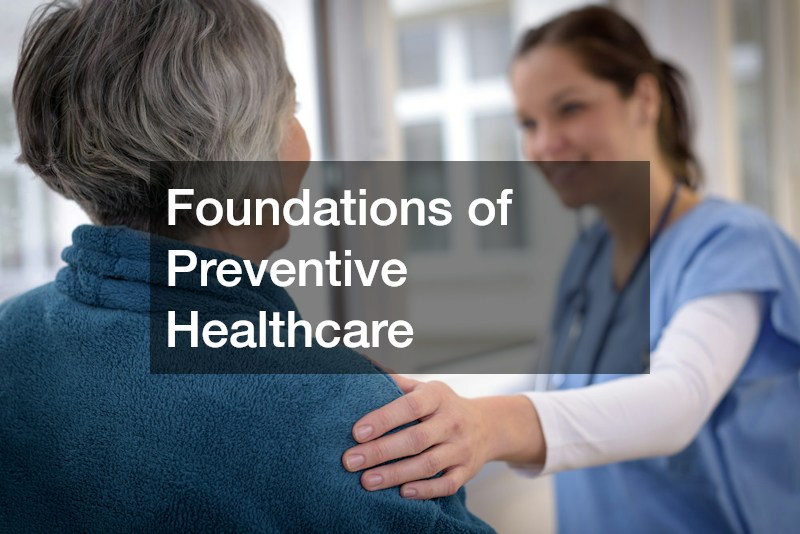
Maintaining optimal physical health as the body matures depends heavily on preventive measures, lifestyle habits, and early detection of potential medical conditions. Building a strong foundation early in life pays substantial health dividends in later decades.
Prioritizing Regular Health Screenings
Routine medical checkups are essential for detecting chronic conditions before they manifest severe symptoms. Primary care physicians can monitor vital metrics such as blood pressure, cholesterol levels, and blood sugar. Scheduling annual physical exams, vision checks, and hearing assessments ensures that subtle age-related changes are addressed promptly, preventing minor concerns from developing into major health obstacles.
Adopting an Anti-Inflammatory Diet
Nutrition plays a pivotal role in maintaining cellular health and reducing the risk of chronic disease. Incorporating whole foods, such as leafy greens, berries, nuts, whole grains, and lean proteins, helps combat systemic inflammation. Reducing the intake of ultra-processed foods and refined sugars supports cognitive function, cardiovascular stability, and overall metabolic balance as the body ages.
Maintaining Daily Physical Mobility
Consistent physical activity supports joint mobility, muscle mass, and balance, which are critical for preventing falls in later years. Engaging in low-impact exercises like walking, swimming, yoga, or light strength training for at least thirty minutes a day enhances heart health and releases endorphins that promote mental clarity and emotional resilience.
Understanding Modern Medical Innovations and Preventive Science

The rapid expansion of longevity science and medical technologies offers unprecedented tools to safeguard wellness over a lifetime. Embracing proactive health tracking allows people to catch subtle biological shifts long before they escalate into serious issues.
Monitoring Biomarkers and Biological Age
Modern diagnostics go far beyond basic blood panels, allowing individuals to track cellular health and metabolic markers in real time. Analyzing systemic inflammation markers, hormone levels, and genetic predispositions helps tailor preventive routines to an individual’s precise biological needs rather than relying on generic age benchmarks.
Enhancing Sleep Architecture and Recovery
Quality sleep remains one of the most powerful and understated components of lifelong health. Deep, uninterrupted sleep allows the brain to clear metabolic waste through the glymphatic system and enables muscular repair. Prioritizing consistent sleep cycles, minimizing late-night screen exposure, and creating a cool, dark resting environment can dramatically enhance long-term cognitive function and immune resilience.
Age-in-Place Options and Daily Assistance
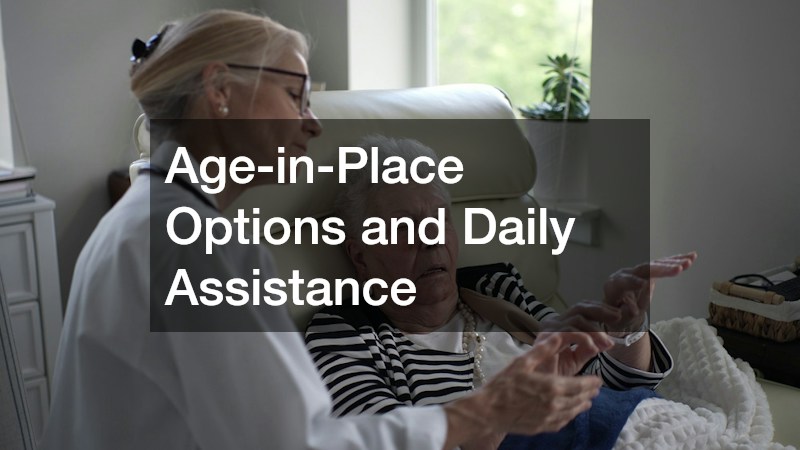
Many individuals prefer to age in the comfort of their own residences. Accomplishing this requires evaluating personal needs, physical mobility, and the availability of professional assistance for daily activities.
Assessing Medical Needs at Home
When personal health conditions require ongoing monitoring or specialized medical assistance, bringing medical expertise into the residence can make a significant difference. Utilizing a skilled home health care service enables patients to receive nursing care, physical therapy, and medication administration without leaving their familiar environment.
- Verify the credentials and licensing of any medical staff visiting the residence.
- Establish a clear communication log between visiting healthcare professionals and primary care doctors.
- Set up a dedicated, clean space in the house for medical supplies and health evaluations.
Managing Acute and Chronic Wounds
Proper treatment of surgical incisions, pressure sores, or chronic ulcers is vital for preventing systemic infections and promoting faster healing. Applying professional home wound care treatment ensures that dressings are changed under sterile conditions and that healing progress is continuously monitored by qualified personnel.
- Inspect skin daily for signs of redness, swelling, or unusual discoloration.
- Keep all wound care supplies organized, clean, and stored in a dry location.
- Contact a medical provider immediately if there are signs of infection, such as elevated temperature or increased pain.
Supporting Daily Living Activities
Non-medical assistance is often required for daily tasks such as bathing, meal preparation, housekeeping, and transportation. Engaging comprehensive in home care services allows individuals to retain their independence while receiving tailored help with routine chores and personal care.
- Create a weekly schedule outlining specific tasks and routines for support personnel.
- Conduct thorough interviews and background checks when selecting personal support aides.
- Adapt the home environment with grab bars and non-slip mats to maximize safety for caregivers and residents.
Finding Support in Your Immediate Area
Locating nearby support resources makes managing daily schedules and emergency responses much simpler. Relying on a reliable local home care agency ensures that professional aid is readily available when unforeseen health challenges arise or when primary family support is unavailable.
- Research regional agencies to compare client reviews, service offerings, and staffing flexibility.
- Request an initial home consultation to evaluate safety hazards and specific support requirements.
- Maintain an updated list of local emergency contacts and caregiver schedules near the main phone or entrance.
Supportive Residential Community Environments
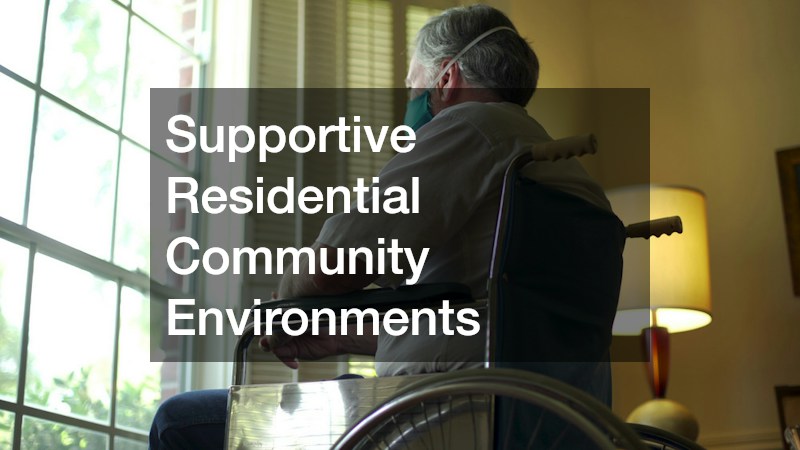
When living independently at home becomes challenging or unsafe, transitioning to a specialized residential community offers structured care, social engagement, and round-the-clock safety.
Evaluating Residential Care Choices
Residential communities offer varying levels of medical support, personal assistance, and recreational activities tailored to individual needs. Exploring local senior living facilities allows families to compare amenities, staff-to-resident ratios, and social programs to find an environment where a loved one can thrive.
- Schedule visits during different times of the day to observe community atmosphere and meal quality.
- Speak directly with current residents and their families about their personal experiences.
- Review the variety of social clubs, physical activity programs, and outing opportunities offered.
Selecting Assisted Living Environments
For individuals who require help with daily activities but do not need intensive nursing intervention, specialized communities provide an ideal balance of independence and support. Selecting suitable assisted living facilities ensures access to nutritious meals, medication management, and daily social interactions in a secure setting.
- Confirm that the facility offers individualized care plans that can adapt as needs change over time.
- Inspect communal areas, outdoor gardens, and private suites for cleanliness and accessibility.
- Inquire about staff training, specifically regarding memory care and emergency response protocols.
Planning for Long-Term Residential Expenses
Transitioning to a residential care community involves significant financial planning. Understanding the average assisted living cost helps families budget effectively, evaluate insurance coverage options, and avoid unexpected financial strains down the road.
- Request a detailed breakdown of base rates and additional fees for specialized care services.
- Explore long-term care insurance policies to determine what specific residential expenses are covered.
- Consult with a financial planner to map out long-term funding strategies and asset preservation.
Emotional Health and Caregiver Well-Being
The health of an individual is deeply interconnected with the well-being of the people who support them. Caring for a family member is a noble responsibility, but it requires deliberate self-care and structured support systems to prevent burnout.
Mitigating Emotional Strain and Burnout
Providing daily assistance to a loved one can take a heavy toll on physical and mental energy. A dedicated caregiver must prioritize their own rest, stress management, and personal health to remain capable of offering effective support.
- Schedule regular respite breaks to rest, pursue personal interests, and recharge.
- Join local or online support groups to share experiences and coping strategies with peers.
- Set clear personal boundaries and accept help from other family members or volunteers.
Fostering Social Connections for Seniors
Social isolation can negatively impact cognitive health and emotional stability. Ensuring that older adults maintain active social lives is a vital aspect of holistic health management.
- Encourage participation in local senior center activities, hobby groups, or book clubs.
- Facilitate regular video calls or visits with extended family members and friends.
- Explore volunteer opportunities tailored to older adults to maintain a sense of purpose and community connection.
Environmental and Lifestyle Adaptations for Longevity
Creating a lifestyle geared toward health span—the proportion of life spent in good health—requires modifying everyday living spaces and habit structures. Micro-changes made consistently yield compounding benefits over several decades.
Modifying Home Layouts for Accessibility and Safety
Eliminating architectural barriers in the home dramatically reduces injury risk as physical flexibility changes. Installing step-free entryways, enhancing ambient hallway lighting, and replacing traditional door handles with easy-to-use lever handles allow individuals to navigate their living spaces with ease and confidence.
Cultivating Mindful Habits and Stress Reduction
Chronic emotional stress elevates cortisol levels, accelerating biological aging and compromising cardiac function. Integrating mindfulness practices like meditation, deep breathing routines, or daily nature walks helps regulate the nervous system, protecting both psychological resilience and cardiovascular vitality over the long haul.
Integrating Technology for Everyday Safety
Modern smart home innovations offer exceptional peace of mind for individuals choosing to live independently. Voice-activated lighting systems, automated medication dispensers, and motion-sensing environmental controls significantly lower the risk of domestic accidents while preserving personal privacy. Using subtle monitoring technology helps families maintain awareness of a loved one’s daily routine without disrupting their sense of freedom.
Legal and Financial Preparation for the Future
Proactive health planning is incomplete without addressing legal authority, asset management, and end-of-life preferences. Establishing clear legal documents ensures that personal choices are respected, even if an individual becomes unable to articulate them.
Securing Legal Guidance for Aging Planning
Navigating the complexities of estate planning, healthcare proxies, and asset protection requires specialized knowledge. Consulting an experienced elder law attorney helps individuals establish legally binding advance directives, wills, and power of attorney documents.
- Gather all current financial statements, property deeds, and insurance policies before your initial consultation.
- Clearly define your preferences regarding medical power of attorney and financial management.
- Update legal documents periodically to reflect changes in family structure, finances, or health status.
Documenting Healthcare Directives
Advance healthcare directives specify the medical treatments an individual wants—or does not want—in emergency or end-of-life situations. Having these documents in place removes the burden of difficult decision-making from family members during emotional crises.
- Outline specific preferences regarding resuscitation, mechanical ventilation, and artificial nutrition.
- Distribute copies of signed directives to primary physicians, designated proxies, and local hospitals.
- Discuss your medical wishes openly with family members so there is no ambiguity during a crisis.
Arranging End-of-Life Decisions in Advance
Making final arrangements in advance ensures that personal, cultural, or religious preferences are honored while relieving loved ones of financial and logistical stress during a period of grief. Exploring professional cremation services allows individuals to select dignified, affordable options that align with their personal values.
- Research local providers to compare service packages, facilities, and pricing transparency.
- Document final wishes in writing and store the information alongside key legal documents.
- Pre-fund end-of-life arrangements through trust accounts or specialized insurance policies if desired.
Comprehensive Checklist for Future Readiness
To ensure every aspect of future health and administrative planning is covered, consider taking the following organized steps:
- Complete a comprehensive health audit with primary care physicians to identify long-term medical needs.
- Audit the home environment for safety modifications, such as ramps, wider doorways, and improved lighting.
- Compile a centralized binder containing medical histories, insurance policies, and contact information for healthcare providers.
- Draft or update all necessary legal instruments, including wills, living trusts, and powers of attorney.
- Review financial plans annually to account for potential healthcare and residential costs.
- Establish a network of professional home support resources and local community options.
- Hold open conversations with family members regarding health preferences, legal proxies, and end-of-life choices.
Embracing a Proactive Approach to Longevity
Taking control of future health and wellness considerations empowers individuals to live with confidence and peace of mind. By addressing physical health, residential preferences, emotional well-being, and legal frameworks simultaneously, families can build a secure structure that supports dignity and comfort at every stage of life.
Proactive planning eliminates uncertainty, allowing individuals to spend less time worrying about future logistics and more time enjoying meaningful moments with loved ones. Starting these conversations and preparations today ensures a safer, healthier, and more fulfilling tomorrow.