

Many homeowners postpone repairs because the issues seem minor or manageable. However, certain delayed home projects can quietly affect physical health, mental well-being, and overall comfort. Poor air circulation, moisture intrusion, inconsistent water temperatures, and structural deterioration can contribute to respiratory issues, stress, fatigue, and long-term health risks. Understanding how these problems develop—and why timely action matters—helps homeowners protect both their property and their well-being.
How Poor Temperature Control Affects Daily Health

Inconsistent indoor temperatures often lead to poor sleep quality, increased fatigue, and difficulty concentrating. Cold spots, overheating, or frequent system cycling can disrupt the body’s ability to regulate temperature overnight. These issues are especially problematic for children, older adults, and those with chronic conditions. When these symptoms persist, consulting an experienced HVAC company can help identify system inefficiencies that may be contributing to physical discomfort and ongoing sleep disruption.
Rapid temperature changes force the body to work harder to maintain balance, increasing physical stress. This can worsen joint pain, aggravate respiratory conditions, and contribute to headaches or dehydration. Consistent indoor temperatures help stabilize the nervous system and support healthy sleep cycles. Addressing underlying system issues early reduces strain on the body and helps create a living environment that supports recovery, relaxation, and overall wellness throughout the day.
Unusual noises, uneven heating or cooling, and rising energy bills often indicate deeper system problems. Ignoring these signs can lead to complete system failure during extreme weather, increasing health risks. An HVAC company can assess airflow, system sizing, and component wear before conditions worsen. Early intervention not only restores comfort but also reduces exposure to temperature extremes that can trigger health complications.
Why Dirty Air Circulation Can Trigger Chronic Symptoms
Persistent coughing, congestion, headaches, or irritated eyes are often signs of poor air circulation. Dust, pet dander, and airborne pollutants can build up when air is not properly filtered or exchanged. These contaminants aggravate allergies and asthma over time. Installing or upgrading indoor air quality systems helps remove harmful particles, improving breathing conditions and reducing chronic symptoms that affect daily comfort and productivity.
Adequate airflow ensures contaminants do not linger indoors. Poor circulation allows pollutants to settle on surfaces and remain suspended in living spaces. Enhanced filtration and balanced airflow help remove these irritants before they are inhaled. Improving air movement supports lung health and reduces inflammation, especially for individuals with sensitivities. Proper system design also helps distribute clean air evenly, preventing stagnant zones where pollutants accumulate.
Basic filtration may not be sufficient in homes with pets, smokers, or high humidity levels. Advanced indoor air quality systems provide targeted solutions such as air purification, humidity control, and enhanced filtration. These systems support long-term respiratory health and reduce illness-related absences from work or school. Investing in improved air quality is a preventative measure that contributes to sustained comfort and overall wellness.
The Hidden Health Risks of Skipping System Maintenance
When heating and cooling systems are not maintained, moisture can accumulate inside components. This creates an ideal environment for mold and bacteria to grow and spread through ductwork. These contaminants can trigger respiratory infections, allergic reactions, and chronic sinus issues. Regular inspections by an HVAC contractor help prevent microbial buildup and reduce the risk of circulating harmful organisms throughout the home.
Fuel-burning systems that are poorly maintained may release carbon monoxide, a colorless and odorless gas that poses serious health risks. Symptoms range from headaches and dizziness to severe poisoning. Routine maintenance ensures proper ventilation and combustion, reducing exposure risks. Early detection of malfunctioning components protects occupants and ensures systems operate safely and efficiently year-round.
Routine inspections help identify worn components, blocked vents, and airflow restrictions before they impact health. An HVAC contractor can assess system performance and recommend corrective actions that improve safety and efficiency. Preventative maintenance reduces emergency breakdowns and ensures consistent indoor conditions. Regular service appointments are a practical step toward protecting household health and avoiding costly repairs.
How Inconsistent Hot Water Impacts Hygiene and Safety
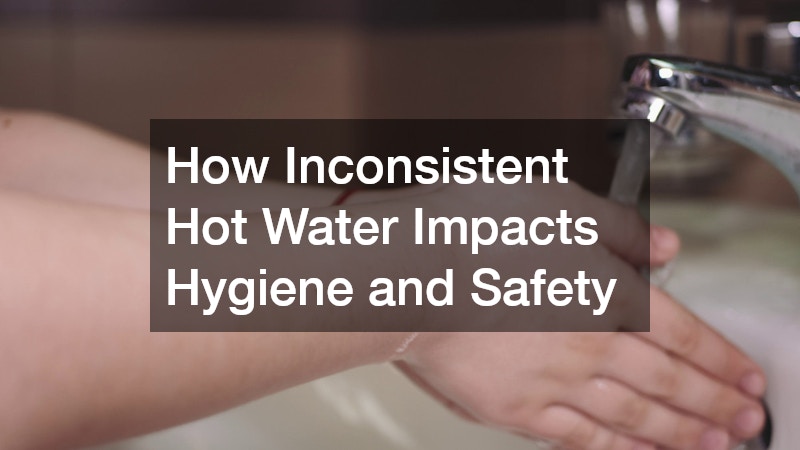
Water that does not consistently reach safe temperatures can allow bacteria to thrive. Inadequate heating increases the risk of exposure during bathing and cleaning. These conditions may lead to skin irritation or infection. Proper water heater installation ensures reliable temperature control, reducing bacterial growth and supporting safe daily hygiene practices throughout the home.
Water that is too hot can cause burns, while water that is too cool may not effectively clean surfaces or skin. Consistent temperature regulation is essential for both safety and sanitation. Reliable systems help prevent accidental scalding and ensure effective cleaning. Maintaining stable temperatures supports household routines and reduces health risks associated with improper water heating.
Older systems often struggle to maintain consistent output, leading to unpredictable temperature changes. Delaying replacement increases the likelihood of system failure and hygiene-related concerns. Timely water heater installation restores reliability and efficiency. Upgrading aging equipment ensures consistent performance, improves energy efficiency, and supports safe water use across all household activities.
Why Delaying Repairs Can Lead to Waterborne Health Issues
Over time, sediment and mineral deposits can accumulate inside water heating systems. This buildup affects water clarity and quality, potentially introducing contaminants. Corrosion may also release harmful particles into the water supply. Regular assessments and water heater services help maintain clean water, reducing exposure to substances that may irritate skin or cause digestive discomfort.
Failing systems may overheat water unexpectedly or fail to reach safe temperatures. Both scenarios pose health risks, including burns and bacterial exposure. Timely repairs prevent these hazards and ensure consistent operation. Addressing early warning signs helps maintain safe conditions and reduces the likelihood of emergency failures that disrupt daily routines.
Routine service helps extend equipment lifespan and ensures consistent performance. Water heater services include flushing sediment, inspecting components, and verifying temperature controls. These preventative measures protect water quality and user safety. Regular maintenance reduces the likelihood of health-related issues caused by malfunctioning systems and supports reliable access to hot water.
Roof Damage That Can Lead to Indoor Health Problems
Small roof leaks often go unnoticed until moisture affects ceilings, insulation, or walls. Early signs include discoloration, musty odors, or peeling paint. Moisture intrusion creates conditions for mold growth, which can impact respiratory health. A local roofer can identify vulnerabilities early, preventing widespread moisture damage and protecting indoor air quality. Catching leaks early also helps avoid insulation breakdown, which can lead to uneven temperatures and higher energy costs.
Moisture trapped inside building materials encourages mold development. Once established, mold can spread quickly and release spores into living spaces. These spores aggravate allergies and respiratory conditions, especially in children, older adults, and anyone with asthma. Prompt roof repairs prevent moisture buildup and reduce health risks associated with prolonged exposure to mold-contaminated environments. Early repairs also limit wood rot and structural weakening that can expand repair costs over time.
After severe weather or when signs of damage appear, timely inspection is critical. A local roofer can assess flashing, shingles, and drainage systems to prevent water intrusion. Early intervention protects structural components and indoor conditions, reducing the likelihood of health issues related to dampness and poor air quality. Routine inspections also help homeowners spot minor wear before it turns into a larger leak during the next major storm.
Lingering Moisture That Creates Unsafe Living Conditions
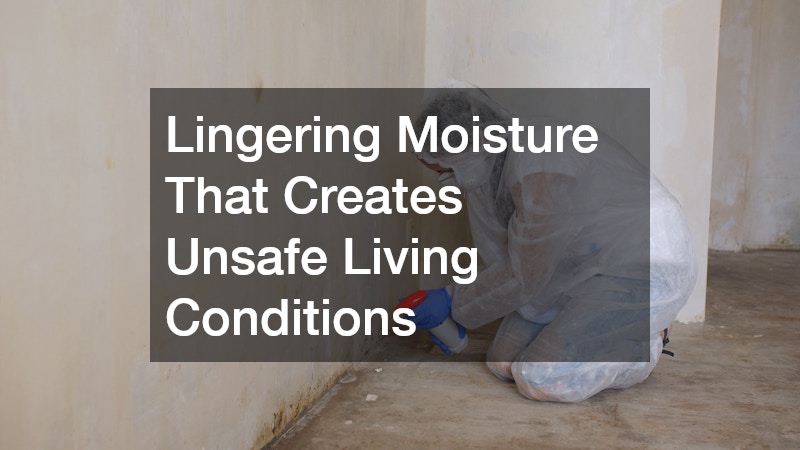
Water damage that is not properly addressed can compromise walls, flooring, and insulation. Damp materials release spores and odors that degrade indoor air quality. Over time, this exposure contributes to respiratory irritation and chronic discomfort. Professional water restoration removes moisture thoroughly, preventing long-term health consequences linked to persistent dampness. It also helps stop structural materials from breaking down, which can create additional dust, allergens, and unsafe living conditions if deterioration continues.
Mold can develop within days of water exposure. Delaying cleanup allows spores to spread throughout the home and settle into porous surfaces like drywall, carpeting, and furniture. Prompt action limits contamination and protects respiratory health. Rapid drying and sanitization reduce the risk of allergic reactions and infections associated with mold exposure. Taking early steps also reduces the chance of lingering odors that can be difficult to eliminate later.
After flooding or significant leaks, surface drying is rarely sufficient. Hidden moisture can remain inside walls and subfloors, where it continues feeding mold growth and damaging materials. Water restoration professionals use specialized equipment to detect and eliminate trapped moisture. Thorough restoration protects indoor air quality and prevents health problems caused by prolonged exposure to damp environments, while also restoring the home’s safety and usability faster.
How Poor Water Quality Impacts Household Wellness
Untreated or poorly maintained water sources may contain bacteria, minerals, or chemical contaminants. These substances can cause digestive discomfort, skin irritation, or long-term health concerns. Regular testing and upkeep are essential to ensure water safety. Neglecting these tasks increases exposure risks and compromises overall household wellness. Over time, even minor contamination issues can worsen, especially after heavy rainfall, flooding, or changes in the surrounding groundwater conditions.
Water quality directly affects bathing, cooking, and drinking. Imbalanced mineral content or contamination can irritate skin and disrupt digestion. Routine testing identifies issues early, allowing corrective action such as filtration, softening, or disinfection. Proactive monitoring helps maintain safe water conditions and reduces health risks for all household members. It also protects appliances and plumbing fixtures from mineral buildup that can affect performance and water flow.
Homes relying on private water sources require ongoing care to ensure safety. Well maintenance includes inspections, cleaning, and testing to prevent contamination and mechanical failure. Regular upkeep protects water quality and reduces exposure to harmful substances. Consistent maintenance supports reliable access to clean water and promotes long-term health, while also helping homeowners avoid costly emergency repairs or unexpected disruptions to daily routines.
Basement Moisture That Contributes to Long-Term Illness
Basements often trap moisture, creating humid conditions that affect air quality. Symptoms such as persistent coughs, fatigue, or musty odors may indicate underlying moisture issues. Elevated humidity supports mold growth, which can worsen respiratory conditions and aggravate allergies. Identifying these symptoms early helps prevent prolonged exposure, reduce medical concerns, and limit long-term health decline associated with damp indoor environments.
Effective drainage reduces moisture accumulation around foundations. Without proper control, water seeps into lower levels, increasing humidity and weakening surrounding materials. Addressing drainage issues helps prevent mold and mildew growth that impact indoor health. Proactive measures protect both structural integrity and occupant well-being while reducing the likelihood of recurring moisture problems after heavy rain or seasonal thawing.
Persistent moisture, visible water stains, or standing water signal deeper foundation issues. A local waterproofing company can evaluate the source and recommend solutions that prevent future intrusion. Addressing foundation moisture protects indoor air quality, preserves building materials, and reduces health risks linked to damp living environments, especially for occupants with asthma or sensitivities.
Exterior Wall Damage That Allows Harmful Exposure
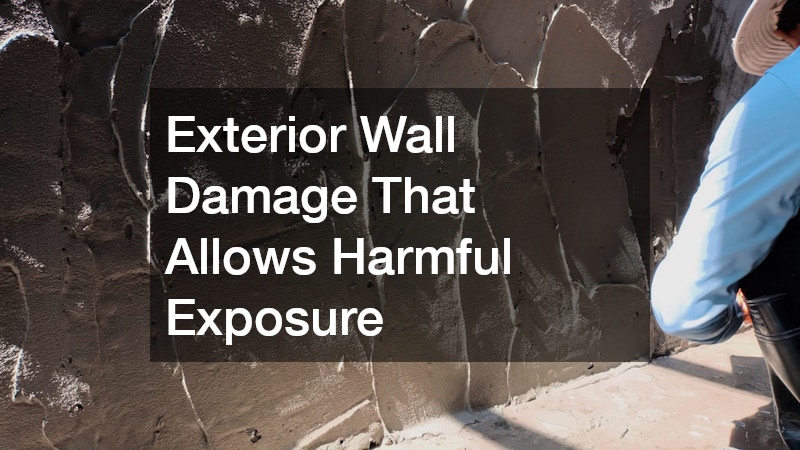
Cracks in exterior walls allow moisture, pollutants, and allergens to enter the home. These intrusions compromise indoor air quality and increase the risk of mold growth. Regular inspections help identify problem areas early, preventing health issues caused by prolonged exposure to contaminants entering through compromised surfaces. Homeowners should also pay attention to bubbling paint, staining, or musty odors, which may indicate hidden moisture intrusion.
Moisture trapped within wall systems creates hidden mold colonies that affect indoor air quality. These issues often go unnoticed until symptoms appear. Proper sealing and timely repairs prevent moisture intrusion and protect wall assemblies. Addressing exterior damage reduces the risk of mold-related health problems. In addition, improving drainage around the home and keeping gutters clear can reduce repeated water exposure that worsens exterior cracks.
Exterior finishes play a critical role in moisture control. A stucco contractor can repair cracks, restore protective barriers, and prevent water penetration. Early intervention preserves structural integrity and supports healthier indoor conditions by preventing moisture-related contamination from developing inside walls. Prompt repairs also help maintain insulation performance, keeping indoor temperatures more stable and comfortable.
Delaying essential home projects can quietly undermine health and comfort over time. Issues involving air, water, temperature, and moisture often worsen gradually, making them easy to overlook until symptoms appear. By addressing problems early and prioritizing preventative maintenance, homeowners can reduce health risks, improve daily comfort, and protect long-term well-being. Proactive care creates a safer, healthier living environment for everyone in the home.